Robots that create other robots without the aid of any biological entities are life


Robot 11

Robot Child

Robot 7


Robots     Living     in     Unearthy     Ecologies

link to robot drawings


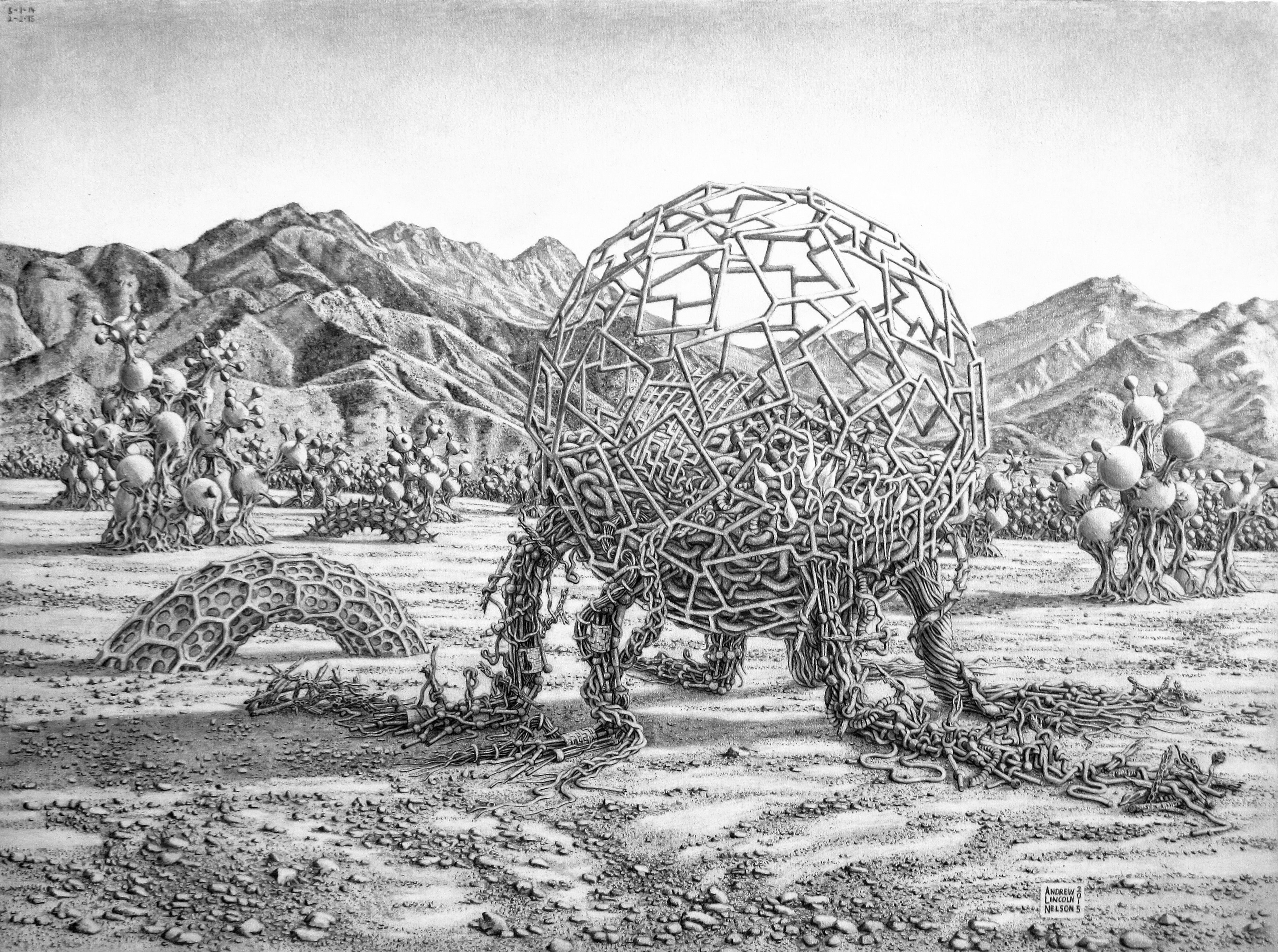
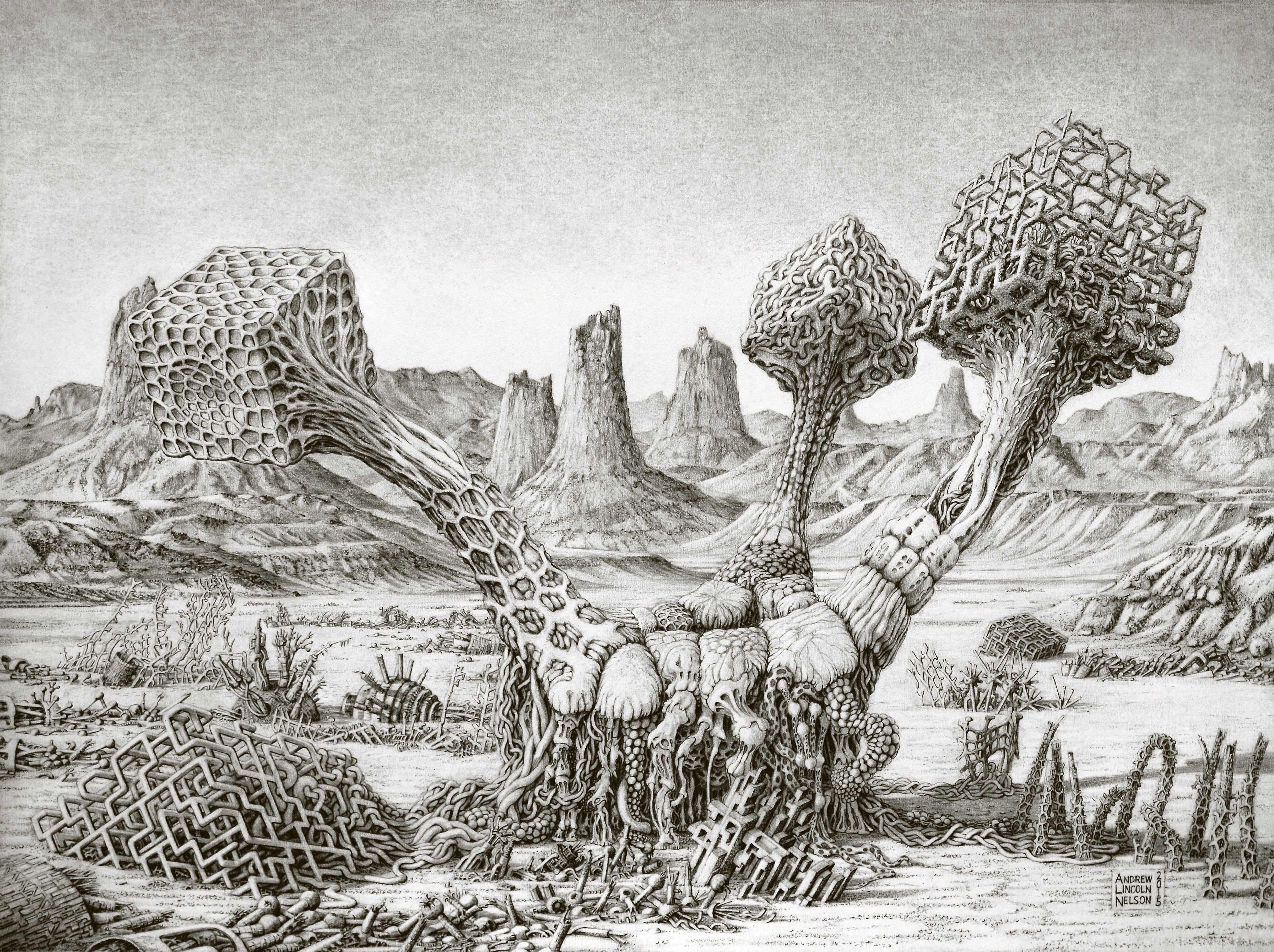
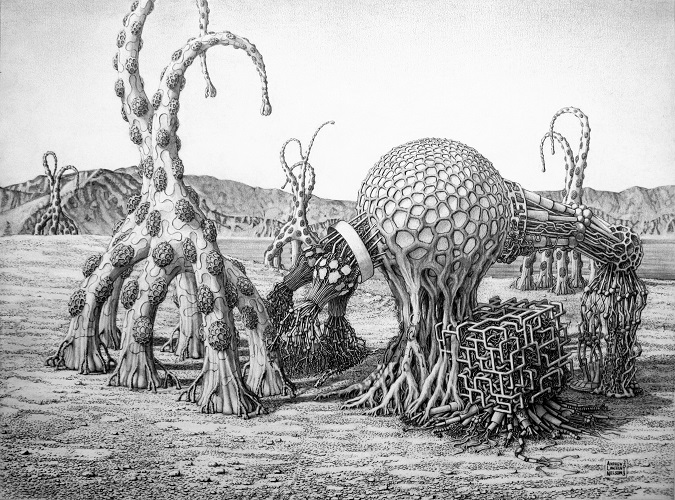
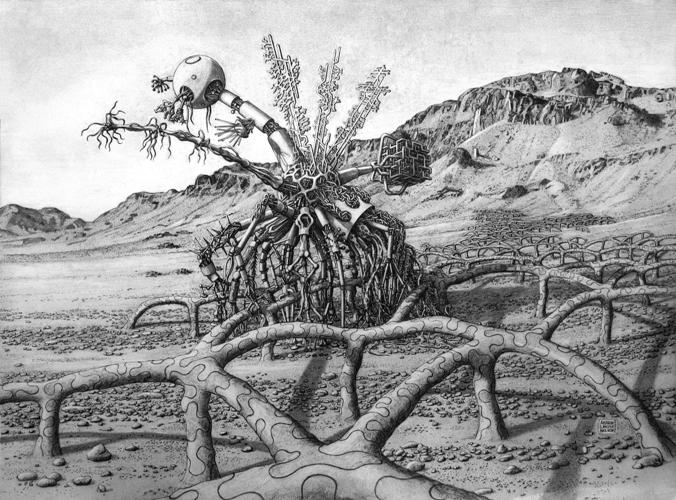
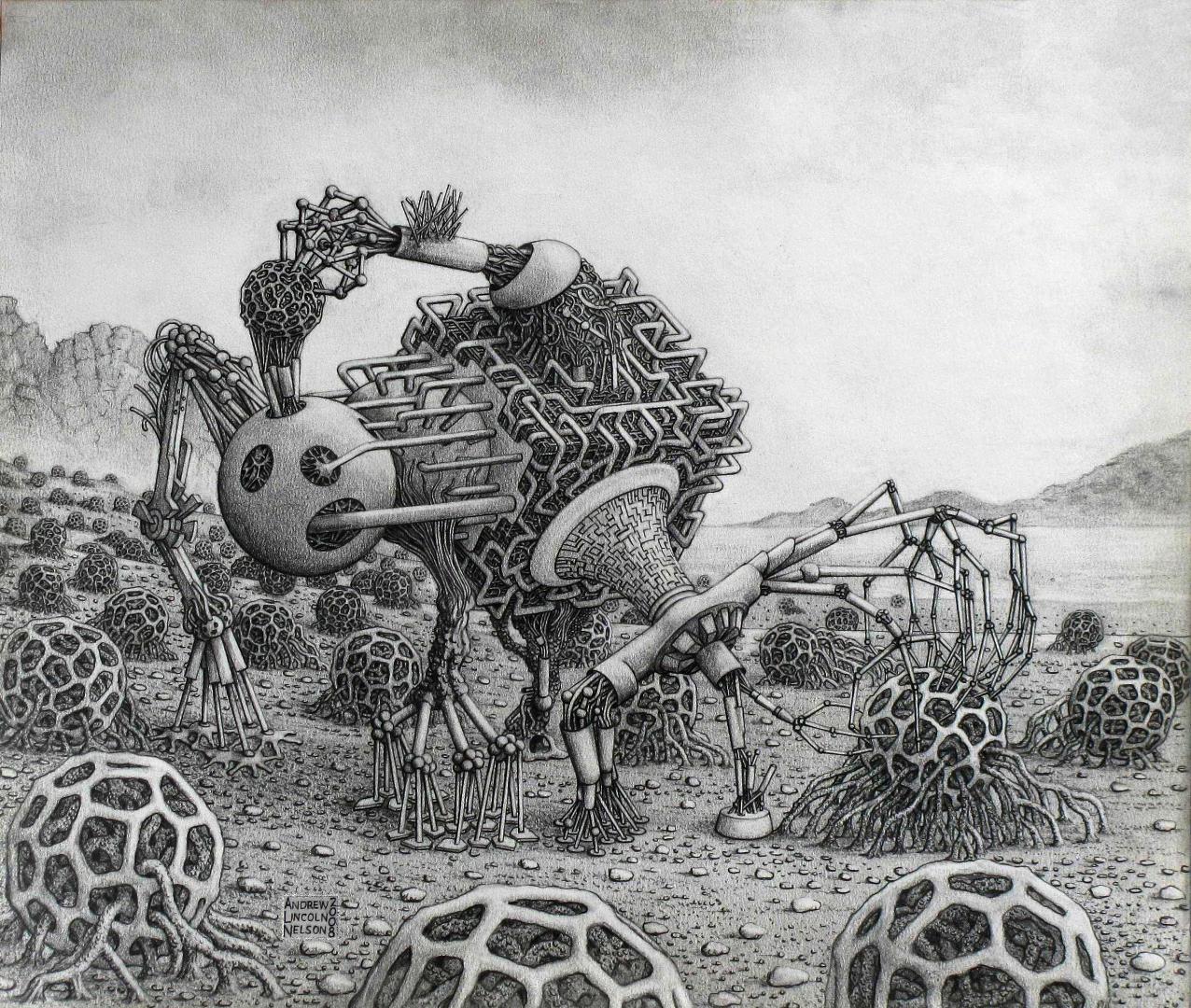
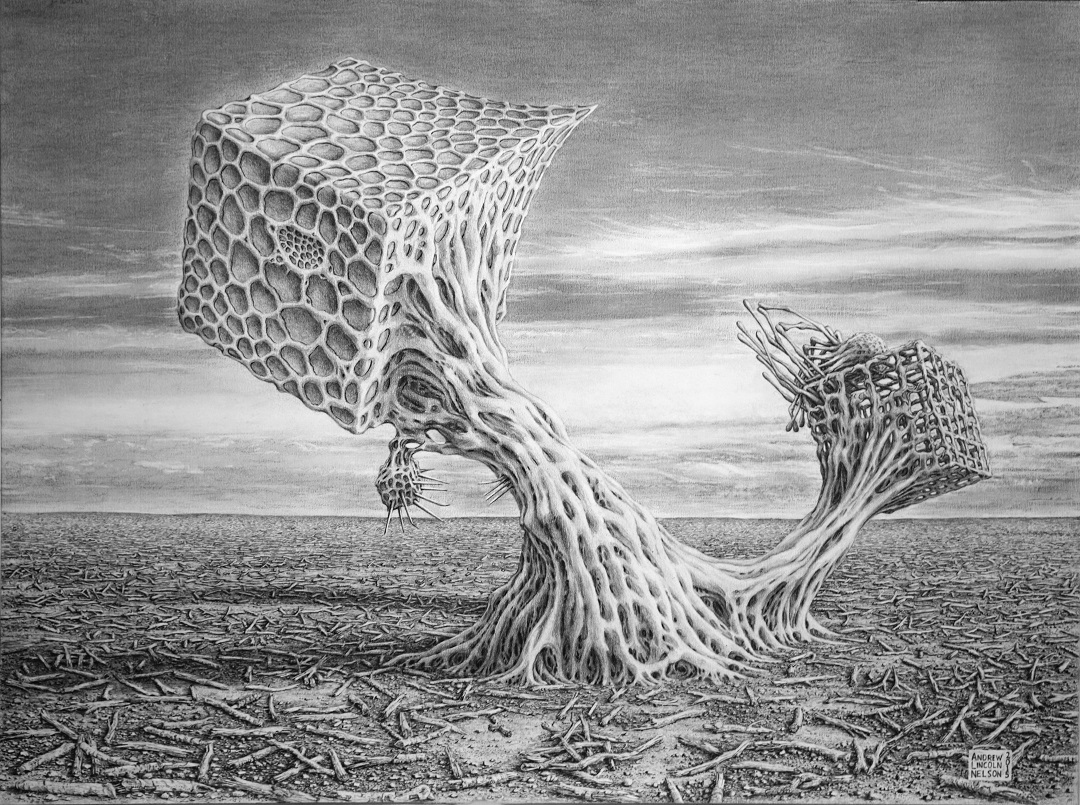
This site contains depictions of robots as they might someday live on our planet or elsewhere. The pictures are accompanied by ruminations on the nature of living robots and unearthly ecologies.

robot 16

Robots are pure machines.  They are neither cyborgs nor androids.  Many robots exist today. But none of them is alive.  Now, on Earth, there are robots that adapt. There are robots that mimic some of the simple elements of insect behavior.  There are robots that duplicate a few human facial expressions.  But all of these are trivial machines.  None of them is alive.

  Robot 10 Robot 12 

A robot that could exist without aid of any human or other biological entity might be considered alive though.  Are humans smart enough to create such machine?  Would such machines consider humans to be alive?

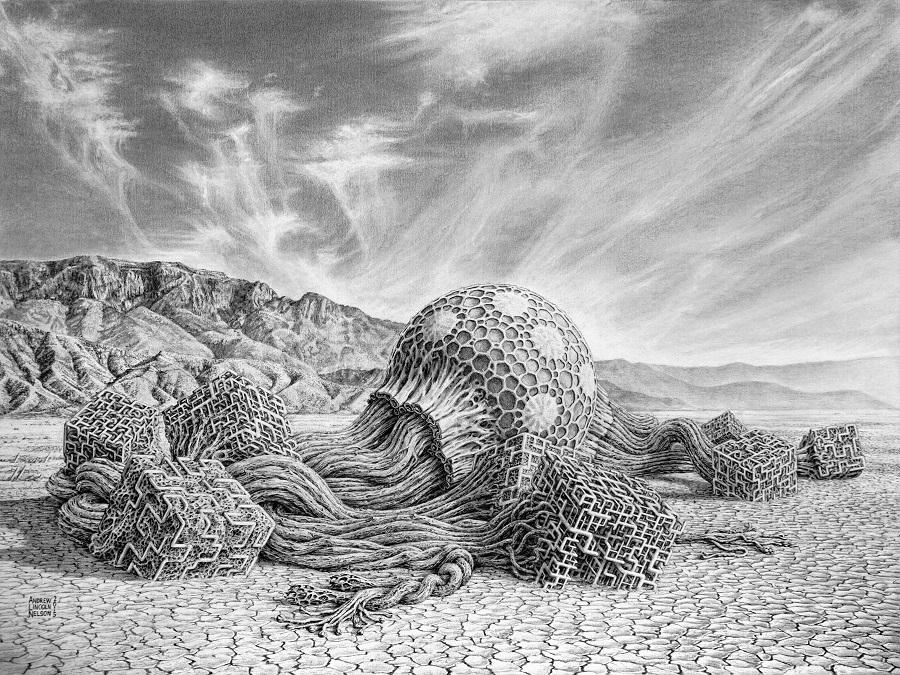
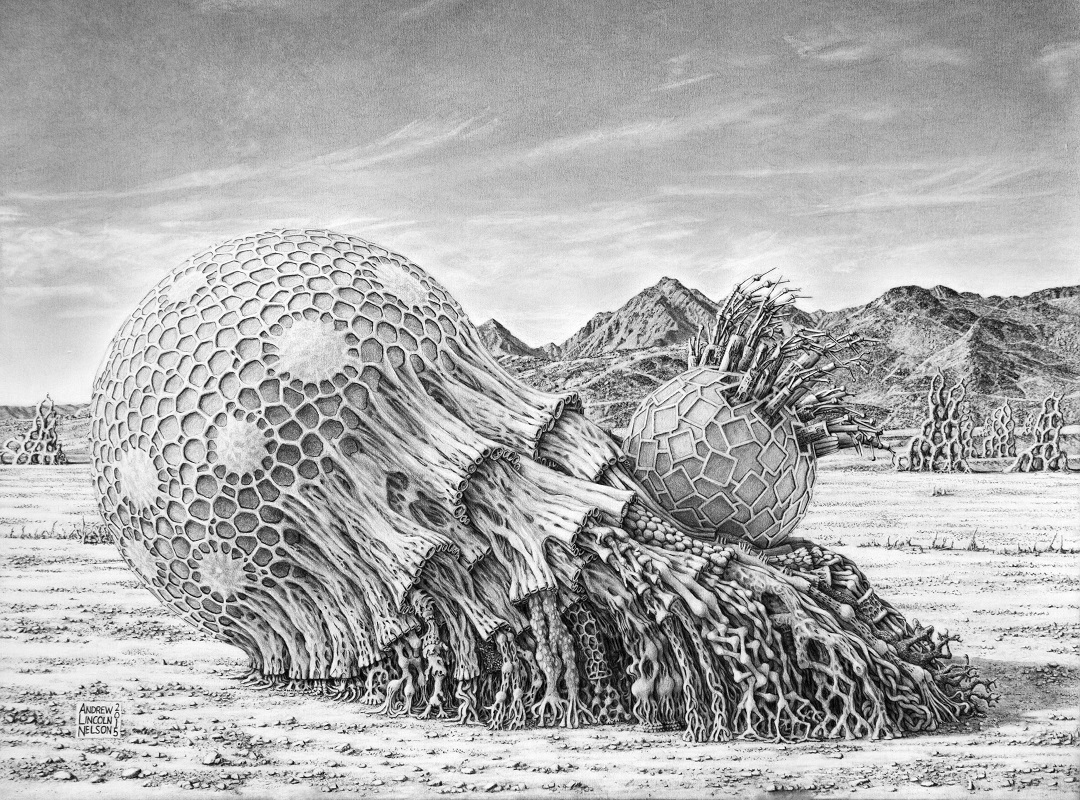
There are many definitions for the term robot, but here we are interested in what might exist independent of humans in the distant future, or in other places in the universe.  The definition we will consider is the following: Living Robots are entities who owe their beginnings to another form of life that existed previously to them who created their ancestors.  Further, living robots are self propagating. They reproduce or build offspring that are also capable of reproducing.

Robot 13

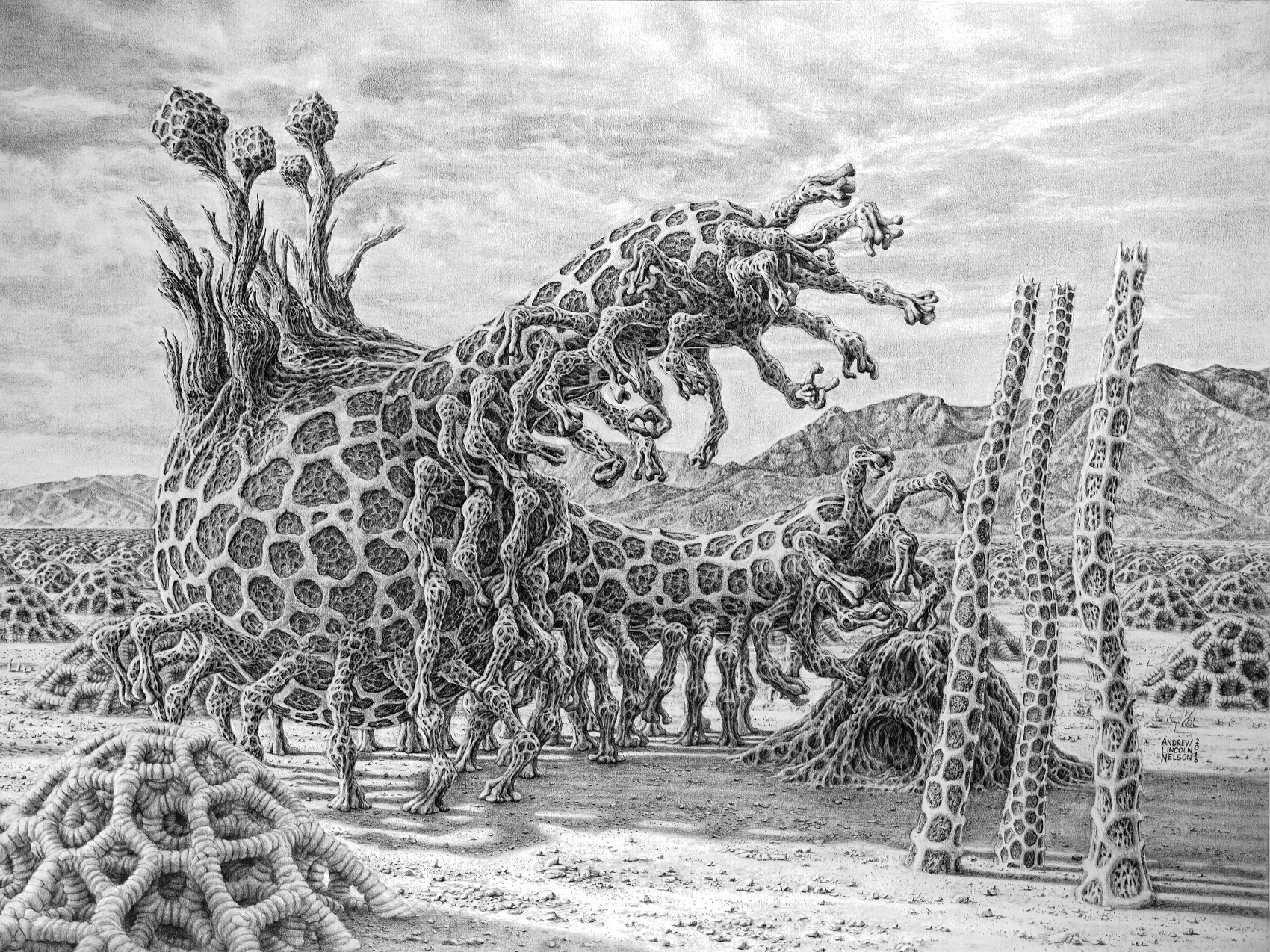
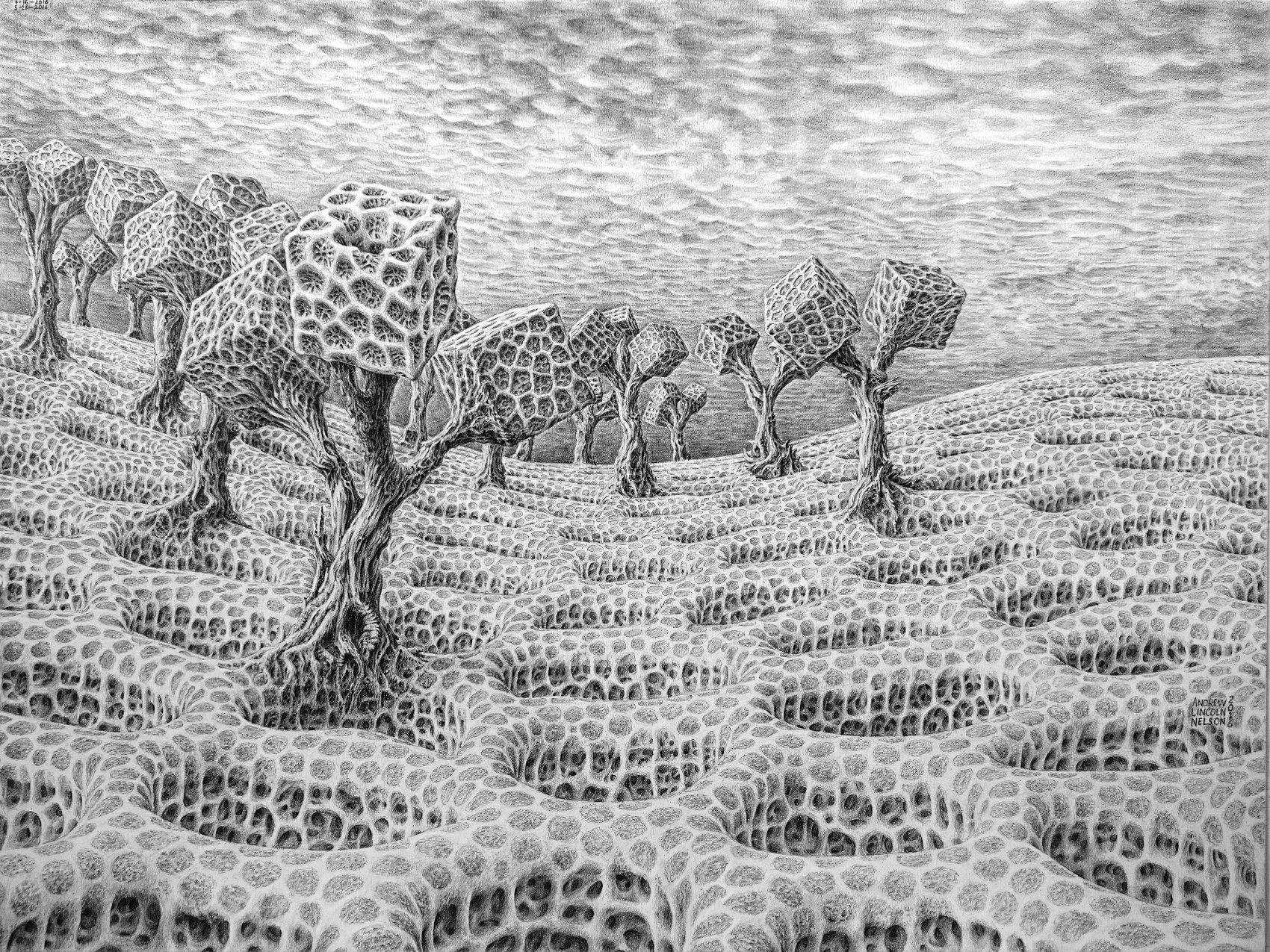
Robots that exist and reproduce in an environment after their creators have ceased to exist may start to integrate themselves with their biological post civilization environment. They may use other living things as material or even include other living things as part of their structure.  In time, as traces of their creators disappear, these robots might take on a natural non-modular and organic appearance. They will need to eat.

Robot 8

Robot 17

Robots that build themselves and their offspring might still be considered true machines, but entities that depend on biological elements for their procreation should be considered cyborgs. Cyborg creatures are part machine, part biological entity.

Robot 15


It is likely that humans are smart enough to build machines that might someday lead to real living machines.  It is not clear that humans are smart enough to directly build living machines.  Current research into fully autonomous robotic systems remains at a very low level, at least in terms of something that might be considered alive. Humans are not very smart.  The largest part of our intelligence is contained within our society.  We are educated with this intelligence, and are able to do moderately complex things.  Without this, we would be reduced to a rudimentary level similar to other biological entities.  Robots however, might be able to develop intelligence from scratch just by experience.  Perhaps a living robot could learn about its world, and then create symbolic representations for itself, and then derive a deep understanding of nature, all without the aid of others.  Eventually, such a living robot would acquire the knowledge to design and build its own offspring.  Its children would spring from pure though, develop from direct experience with the universe.  Humans cannot do this.

Robot 14

Many human researchers have given up entirely on the goal of building a thinking robot.  A common statement reflecting this is “a human must be in the loop”. These people have given up on our future.  

Robot 4 color


 link to robot drawings


This page is maintained by Andrew Nelson
  All artwork©1990-2007A.L.Nelson, All rights reserved
  Site administrator contact: admin@androidchild.net
 
 
©2007A.L.Nelson
Robot Artwork